Tip · "Jay" (เจ) means strict vegan/Buddhist; "mangsawirat" (มังสวิรัติ) means vegetarian. Yellow "เจ" flags at street stalls mark vegan-safe vendors.
Thailand is one of the easiest countries in the region to eat meat-free, and almost nobody arriving for the first time believes it. I'm not vegetarian myself, but I travel with someone who is, and learning one word, เจ, changed every restaurant interaction we had. Markets, temple districts, and university areas are especially good hunting grounds, and there is a long Buddhist vegetarian tradition that works in your favour once you know what to look for.
The main challenge is that "vegetarian" means different things to different vendors. A dish that looks meat-free may have been cooked in oyster sauce, fish sauce, or broth. Knowing a few words makes the difference between a confident order and a guessing game.
The two key words
เจ (jay) is the word for strict Buddhist vegetarian: no meat, no seafood, no fish sauce, no eggs, and no strong-smelling vegetables like onion or garlic. If you see a yellow flag with เจ written on it at a street stall, everything on that cart is safe.
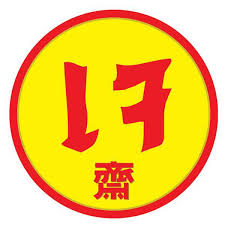
มังสวิรัติ (mangsawirat) is the broader Thai word for vegetarian. It usually means no meat or seafood, but may still include eggs and fish sauce in some preparations. When in doubt, follow up with the phrase below.
The phrase that covers most situations
ไม่ใส่เนื้อสัตว์ได้ไหม Mâi sài néua sàt dâi mǎi? "Can you make it without meat?"
Vendors will usually say yes and adjust the dish, or tell you honestly if they cannot. A smile and a polite tone go a long way.
If you want to check for fish sauce specifically:
ไม่ใส่น้ำปลา Mâi sài nám bplaa "No fish sauce, please."
Where to find meat-free food easily
Temple markets and Buddhist holidays. During the Vegetarian Festival in October (popular in Phuket and Bangkok's Chinatown), เจ food is everywhere. Entire streets switch to plant-based menus and the yellow flags are impossible to miss. It is the single best time of year to be a vegetarian in Thailand. Outside of the festival, temples with active communities often have เจ vendors nearby.
Night markets. Most of the big Bangkok night markets have at least a few stalls flying the yellow เจ flag, and the larger ones (Srinakarin, Jodd Fairs) reliably have full vegetarian sections. Look for the flag rather than asking. It's faster and removes the guesswork.
University areas. Campus canteens and the streets around universities in Bangkok, Chiang Mai, and Khon Kaen tend to have cheap, clearly labelled vegetarian stalls catering to students.
Dedicated vegetarian restaurants. Every city of any size has at least one restaurant serving exclusively เจ or มังสวิรัติ food. A quick search for "ร้านอาหารเจ" (restaurant jay) plus your city name will usually find one.
Pad thai and stir-fries. These dishes are easy to adapt. Ask for your pad thai with tofu (เต้าหู้, tâo hûu) instead of shrimp or chicken. Most vendors can do this without a problem.
A few dishes that are often naturally meat-free
- Som tam (green papaya salad): ask for no dried shrimp and no fish sauce
- Mango sticky rice: almost always vegan
- Tom yam mushroom soup: many versions are made without meat stock
- Khao tom (rice porridge): easy to order with tofu or vegetables
These are not guarantees, but they are good starting points when you do not have time to explain.
One practical tip for the first day
If you arrive unsure where to start, find a 7-Eleven. Their seaweed snacks, corn, steamed buns, and some rice dishes are labelled with ingredient lists and are easy to fall back on while you get your bearings. It is not the most exciting answer, but it works.