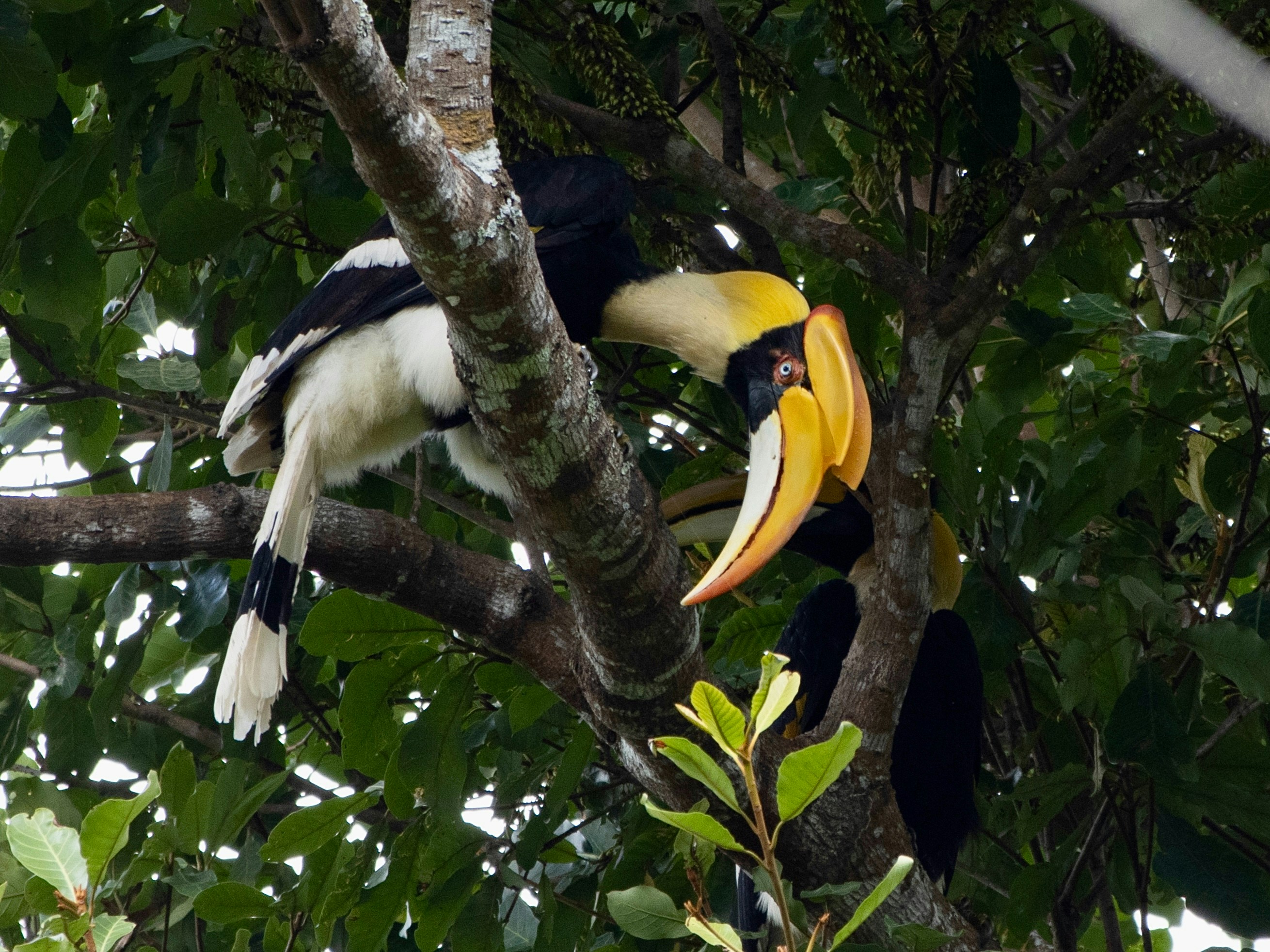
Khao Yai is Thailand's oldest national park, established in 1962, covering more than 2,000 square kilometres of forested mountains about 150 km northeast of Bangkok. It forms part of a UNESCO World Heritage forest complex and holds wild elephants, gaur, gibbons, hornbills, and one of the most accessible stretches of intact rainforest in the country.
The gateway town is Pak Chong, on the railway and highway between Bangkok and the northeast. Between Pak Chong and the park's northern checkpoint runs Thanarat Road, a corridor of resorts, restaurants, and farm attractions that serves as the main base for visiting. The surrounding hills also hold Thailand's best-known vineyards.
Getting there
Khao Yai is reached overland via Pak Chong. There is no airport; international visitors arrive via Bangkok and continue by road or rail.
From Bangkok
Bus / minivan
2.5–3hBuses and minivans run from Bangkok's Northern Bus Terminal (Mo Chit) to Pak Chong throughout the day, continuing toward Nakhon Ratchasima.
Check schedules on 12Go →Train
3–4hTrains on the northeastern line stop at Pak Chong station. Slower than the bus but a comfortable ride through the countryside.
Check schedules on 12Go →Private car / tour
~2.5hHaving a vehicle is the most practical way to visit, since the park is large and the sights are spread out. Tours from Bangkok and guided park trips from local lodges are widely available.
Check schedules on 12Go →
The nearest airports are Bangkok's, about 2.5 hours away by road. Pak Chong is also on the main rail and road route between Bangkok and Isaan.
Airport transfer · From Pak Chong, songthaews run along Thanarat Road toward the park checkpoint, and lodges arrange transfers and park tours. Inside the park there is no public transport; visitors use their own vehicle, a hired car with driver, or a guided tour.
Weather by season
Khao Yai sits at 400 to 1,000 metres of elevation, so it runs noticeably cooler than the plains, especially at night in the cool season. The dry months from November to February are the most popular; the wet season greens the forest and fills the waterfalls but can close some trails.
Year-round climate
Jan
Feb
Mar
Apr
May
Jun
Jul
Aug
Sep
Oct
Nov
Dec
Conditions by month
Seasonal averages for the Northeastern Thailand. Tap through to the monthly weather guide for detail.
Cool & dry
Nov–FebThe most comfortable months, with cool mornings that can drop below 15°C at elevation. Wildlife concentrates around water sources and grasslands.
Hot season
Mar–MayHot on the plains but tempered by altitude inside the park. Haze from regional burning can affect visibility early in this period.
Green season
Jun–OctRegular rain, leeches on forest trails, and the waterfalls at full flow. September and October are the wettest months and some trails may close.
Trip planner
Planning Khao Yai? See which days suit it.
The free trip planner shows the seasonal weather verdict for Khao Yai on your dates, how long it takes to get there from your other stops, and where to book.
Where to stay
Where to stay
Where to stay around Khao Yai
Most visitors stay along the Thanarat Road corridor between Pak Chong and the park gate; camping inside the park and the wine-country valleys are the alternatives. Tap an area to see where it is.
Pak Chong town
On the train line and highwayBest for: Budget stays and transport links
The gateway town, with the railway station, bus connections, a night market, and the area's cheapest rooms. Around 30 km from the park entrance, so a base here means commuting to the park.
On the map
- Pak Chong Station
- Pak Chong night market
Hotels to shortlist
Baan Suan Noi Budget
Simple garden rooms near town.
Fortune D Hotel Pak Chong Mid-range
Modern hotel near the station.
Greenery Resort Mid-range
Larger resort south of town.
Agoda · Affiliate link
Getting around
The park's main road runs about 40 km from the northern checkpoint over the mountains to the southern gate, with trailheads, viewpoints, and waterfalls along it. There is no transport inside the park, so visitors drive, hire a car with driver, or join a guided tour; motorbikes are allowed but the road is steep and busy with wildlife at dawn and dusk.
Guides can be arranged at the visitor centre or through lodges. For wildlife in particular, a guide with a spotting scope substantially raises what you will actually see.
Things to do
- Wildlife watching. Wild elephants, gaur, deer, gibbons, and macaques along the park road, especially at dawn and dusk. Night safaris by open truck can be booked at the visitor centre.
- Haew Suwat Waterfall. The park's best-known fall, a short walk from the road, dropping into a pool below a cliff.
- Haew Narok Waterfall. The largest waterfall, a three-tier drop of about 150 metres in the south of the park, most powerful late in the wet season.
- Birdwatching. One of Southeast Asia's noted birding sites, with great hornbills the signature species at fruiting fig trees.
- Vineyards. GranMonte and PB Valley run daily tours and tastings in the Asoke Valley west of the park road.
Local character & practical notes
The area splits into two worlds: the protected forest inside the checkpoint, and a weekend-leisure landscape of resorts, cafes, and European-themed attractions along Thanarat Road that caters mainly to Bangkok visitors. Weekends and cool-season holidays are much busier than weekdays.
Park rules are enforced: feeding animals is prohibited and fined, and monkeys and deer at the viewpoints should not be approached. Keep car windows up near macaques.
The park entrance fee for foreign visitors is charged per person plus a small vehicle fee, payable at the checkpoint. Gates open from 6am, and the early hours are the best for wildlife.
Going deeper
Opinion & first-hand guides to Khao Yai
This page keeps to the facts. For recommendations and first-hand takes, these blog posts go further.