Tip · Stay in one place and don't try to day-trip the island to death. Lanta is long and the point of it is to slow down. Pick a beach that matches your pace and settle in for four or five nights.
Koh Lanta is where people go once they've decided Phuket is too much. There's no nightlife strip, no jet-ski touts working the sand, and no real town beyond a small old quarter on the far side of the island. What it has instead is a long line of west-facing beaches that get quieter the further south you go, sunsets over the open Andaman every evening, and a pace that punishes anyone trying to rush it. If your idea of a beach holiday is doing very little for several days in a row, Lanta is one of the best places in Thailand to do it.
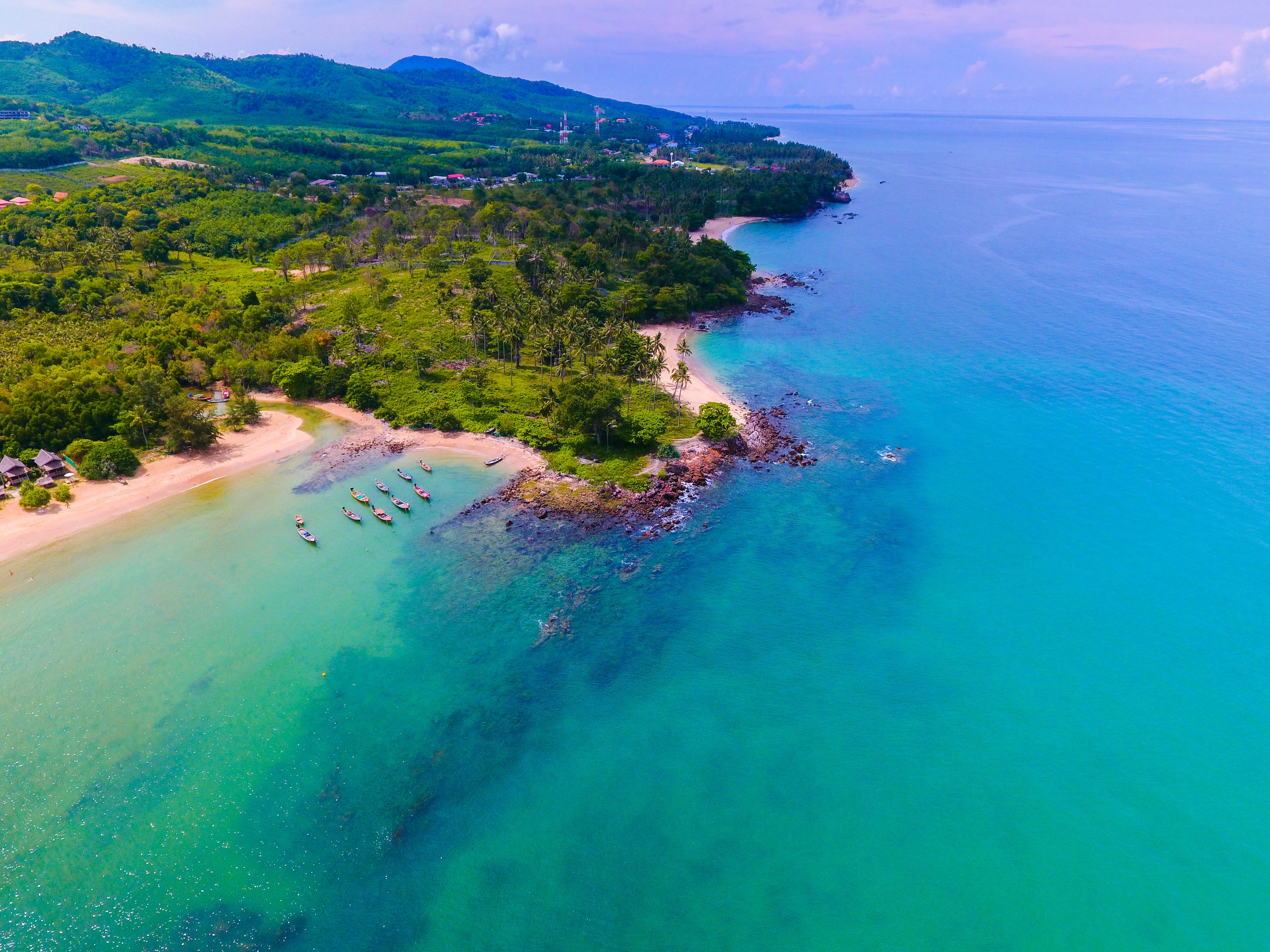
It's worth being clear about what Lanta isn't. It's not dramatic in the way Krabi or Phi Phi are. There are no towering limestone cliffs rising out of the sand here. It's a long, low, forested island with beach after beach down one side. The appeal is space and quiet, not postcard scenery, and people who arrive expecting Railay are sometimes underwhelmed for the first day before they settle into the rhythm of the place.
Getting to Koh Lanta
Getting here used to mean two car ferries, which put a lot of people off. Since the Siri Lanta bridge opened between Koh Lanta Noi and Koh Lanta Yai (the main island) it is down to one: a short car ferry from the mainland at Ban Hua Hin onto Lanta Noi, then the bridge. A minivan from Krabi Airport or Krabi Town takes around 2.5 to 3 hours including the ferry, and the queue for it can add an hour in December and January. It runs year-round and is the most reliable way in. The bridge to the mainland is under construction and not due until around 2029.
In the high season (roughly November to April) there are also passenger ferries from Krabi and from Phuket via Phi Phi, which is a more scenic way to arrive and lets you island-hop on the way. Those ferries stop running in the low season, when the minivan and car ferry is your only realistic option.
Most people fly into Krabi Airport (KBV) and take a minivan transfer from there. Phuket is the other common arrival point, with the ferry in high season or a longer road transfer the rest of the year. The best time to visit Thailand guide explains why those Andaman seasons matter.
Book transport
Getting to Koh Lanta
Compare schedules and prices on 12Go.
Popular routes
- Krabi → Koh LantaMinivan + car ferry · 2.5–3h
- Phuket → Koh LantaFerry · 3h
- Bangkok → Koh LantaFlight + Van · 4h
Powered by 12Go · Affiliate link
Where to stay
Lanta's beaches run down the west coast from north to south, and they get progressively quieter, less developed, and harder to leave the further you go. Pick based on how much life you want around you.
Klong Dao, at the north end, is the most developed and family-friendly: a wide, calm beach close to the main town of Saladan and the ferry pier, with the most restaurants and shops within walking distance. Long Beach (Phra Ae) just south is the all-rounder, a long stretch of sand with a decent spread of bars, restaurants, and accommodation across price ranges. This is where I'd point most first-timers.
Keep going south and Klong Khong and Klong Nin get quieter and more low-key, with a more backpacker and yoga-retreat feel and beach bars rather than restaurants. By the time you reach Kantiang Bay near the southern end, you're somewhere genuinely remote and beautiful, with a handful of resorts tucked into a curved bay and not much else. The trade-off is that the south is a long, slow drive from the pier and the town, so you commit to the area you choose.
Getting around
Rent a scooter or a bicycle. Lanta is long and thin, the road down the west coast is straightforward, and a scooter gives you the run of the whole island. They cost around 200 to 250 THB a day, traffic is light compared to the mainland, and it's a forgiving place to learn if you haven't ridden much before. Bicycles work well if you're staying near one stretch of beach and not trying to cover the island's full length.
There is no Grab on Koh Lanta. For getting around without your own wheels, your options are songthaews (shared pickup trucks with benches in the back that run loose routes along the main road) and tuk tuks for shorter hops. Both are easy to flag down in the main areas but less reliable the further south you go. Resorts can usually arrange a transfer if you're heading somewhere specific. The scooter remains the most practical choice for anything beyond walking distance.
Koh Lanta Old Town
On the east coast, facing the mainland rather than the sunset, sits Lanta Old Town. It's a single street of weathered wooden shophouses built out over the water on stilts, a former trading post for Chinese and Muslim sea traders, and it's the most atmospheric thing on the island. The pace is sleepy even by Lanta standards. There are a few good seafood restaurants on the piers out over the water, some small shops and cafes, and not much else, which is the point. It's worth a half-day trip across the island, ideally late afternoon into dinner.
Things to do
The headline is Mu Ko Lanta National Park at the southern tip of the island. There's a lighthouse on the headland, a short nature trail through the forest where you'll almost certainly meet the resident monkeys, and a small beach. The view from the lighthouse out over the sea is the best on the island. The park charges an entry fee and the road down is rough in places, but it's the one bit of proper sightseeing Lanta has.
The other draw is the diving and snorkelling. Lanta is the closest base to Koh Haa and the Koh Rok and Koh Ha island groups, which have some of the clearer water and better reefs on this part of the coast. Day trips run from the island in the high season. If you dive, this is a real reason to come to Lanta specifically rather than another Andaman beach.
Beyond that, the activity is the lack of activity. The west-coast beaches are made for long slow days, the sunsets are reliably good, and the beach bars at Klong Khong and Klong Nin are pleasant places to end the day.
Food
Saladan, the town by the northern pier, has the most options and a couple of good seafood places looking out over the water. The Old Town piers do fresh seafood well. Down the west coast, the beach resorts and bars cover the basics, and there are small local Thai restaurants set back from the beach road where the food is better and cheaper than the beachfront spots, the usual rule everywhere in Thailand. Lanta has a significant Muslim population, so you'll find good halal food and roti stalls, and some areas are quieter on alcohol than the typical Thai beach.
Best time to go
This matters more on Lanta than almost anywhere else, because the island genuinely closes down in the low season. The high season is November to April: dry, calm seas, all the ferries running, every restaurant and dive shop open. December to February is the busy, pricier peak.
From around May to October, a lot of Lanta shuts. The high-season ferries stop, a meaningful number of restaurants and resorts close entirely for the wet months, the sea gets rough, and the island can feel half-abandoned. It's still reachable by minivan and car ferry, and you'll have the beaches to yourself at very low prices, but you need to go in knowing that a chunk of the island will be closed. For most visitors, Lanta is a high-season destination.
Koh Lanta rewards the decision to stay put. Don't try to combine it with three other islands in a week. Give it four or five nights on one beach, take the scooter down to the national park and across to the Old Town, and let the pace do its work. If you're building a wider Andaman trip, the Krabi travel guide covers the mainland an hour and a half north, and the first trip to Thailand checklist covers what to sort before you fly.