Tip · Fly into Krabi Airport, stay in Ao Nang, and take longtail boats to Railay. Don't stay in Krabi Town unless you're catching a ferry the next morning.
Krabi Town is not where you want to spend your holiday. This surprises a lot of people who book a trip to Krabi expecting a beach, step off the plane, take a taxi into town, and find themselves looking at a river and a mangrove forest with no sand in sight. The beaches are real. They're just not in the town named Krabi.
"Krabi" refers to a province. The provincial capital, also called Krabi, is a working town on the Krabi River, useful for ferries and cheap food but not for swimming. The beaches that fill every travel photo are spread out across the rest of the province: Ao Nang (the main resort area, around 30 minutes from the airport), Railay (a peninsula cut off from roads by limestone cliffs, reachable only by longtail boat), Klong Muang (quieter, further north), and then a separate island, Koh Lanta, an hour south by ferry. Which of these suits you depends on what kind of trip you're after.
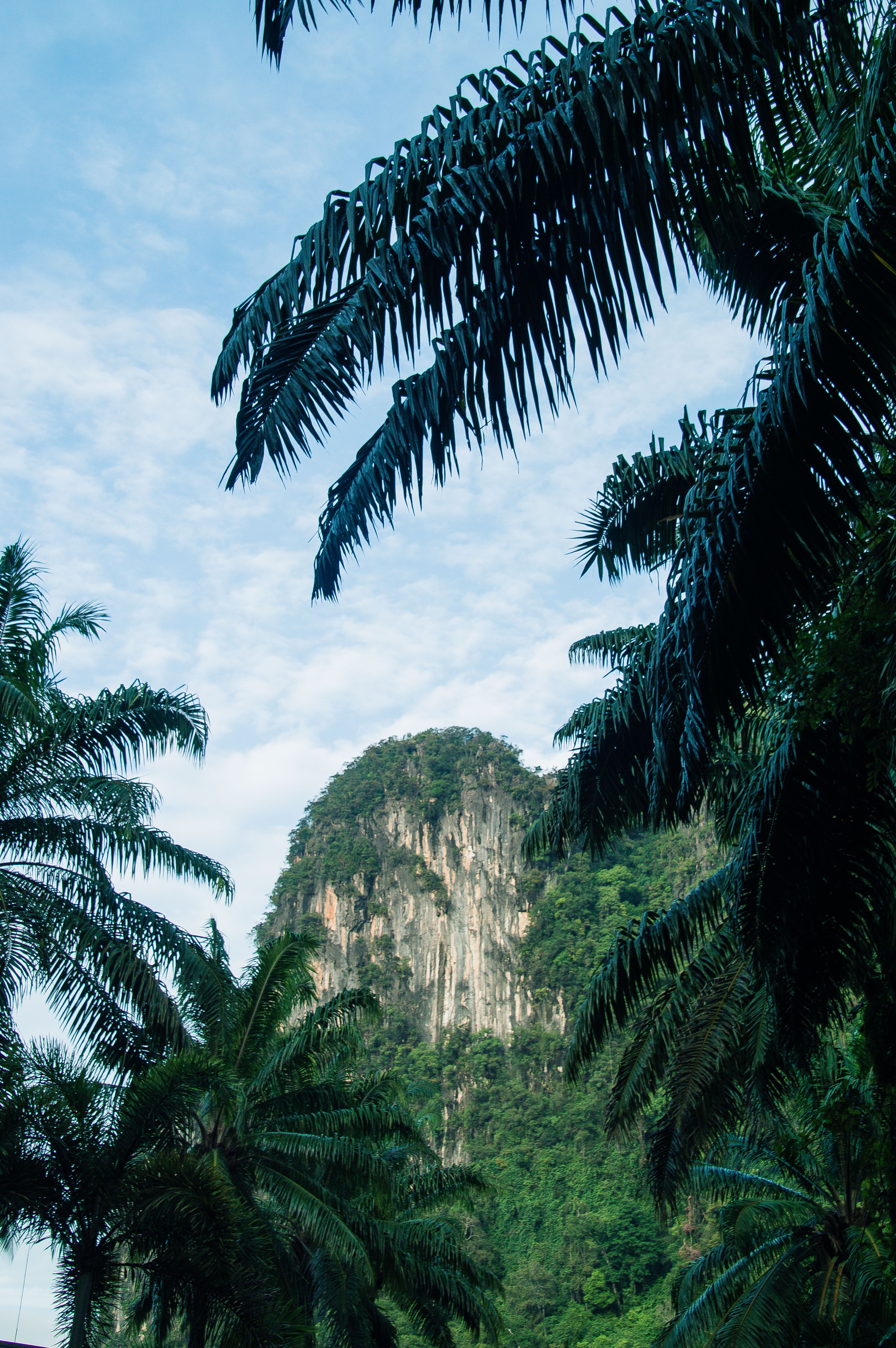
Getting to Krabi
The vast majority of visitors fly in. The quickest route from Bangkok is a direct flight to Krabi Airport (KBV), which takes about 1 hour 20 minutes. Thai AirAsia and Nok Air cover this route several times a day; book a week or two ahead and you'll find fares around 1,200–2,000 THB. The airport sits about 30 minutes from Ao Nang by Grab.
There is also an overnight bus from Bangkok's Southern Bus Terminal to Krabi Town, taking around 12–14 hours and costing roughly 600–1,000 THB. Worth considering if flights are expensive or you want to save a night of accommodation costs, but you'll arrive in Krabi Town still needing to travel to wherever you're actually staying.
If you're coming from Koh Samui or Koh Phangan on the Gulf coast, the ferry-and-bus combination through Surat Thani is the standard route and takes around 5–7 hours depending on connections. From Phuket, a minivan or bus to Ao Nang takes about 3 hours.
Book transport
Getting to Krabi
Compare schedules and prices on 12Go.
Popular routes
- Bangkok → KrabiBus · 12h
- Phuket → Ao NangMinivan · 3h
- Koh Samui → KrabiFerry + Bus · 6h
- Koh Lanta → KrabiFerry · 1.5h
Powered by 12Go · Affiliate link
Where to base yourself
This is the decision that shapes the whole trip.
Ao Nang
Ao Nang is the default choice for most first-time visitors and for good reason. The beach itself is decent: it faces the open sea with limestone karsts in the background, and the water is calm enough for swimming in the dry season. More usefully, it's the logistics hub: restaurants and massage places and dive shops and 7-Elevens, plus a pier where longtail boats leave for Railay every 15 minutes during the day. Every day trip and activity in Krabi is bookable from here.
The honest version: Ao Nang is fairly developed and gets busy in high season (December to February). The strip behind the beach has the same seafood restaurants and souvenir shops you'll find in every Thai beach resort. It is comfortable and convenient and not particularly charming. Most people find they don't need it to be charming.
Railay
Staying on Railay gives you the best beach in the area as your front door, and it quiets down significantly in the evenings once the day-trippers leave. The trade-off is that everything costs more (no roads means everything has to come in by boat), there are fewer dining options, and you're dependent on longtail boats to get anywhere else. It works well if you want two or three days of doing very little. It works less well if you're using Krabi as a base for day trips around the province.
Koh Lanta
If your priority is a quieter beach with more space, a slower pace, and something that feels less like a resort strip, Koh Lanta is worth considering. The island has a long line of west-coast beaches and a small Old Town on the east coast with wooden shophouses that are more interesting than anything in Ao Nang. The catch: you're 1.5 hours from the Krabi mainland by ferry, which makes day trips harder to organise. Koh Lanta suits people who want to settle somewhere for four or five days rather than use Krabi as a base for island-hopping.
Getting around
Within Ao Nang, most things are walkable. For the Tiger Cave Temple or Krabi Town, Grab works well. For Railay, longtail boats leave from the pier at the eastern end of Ao Nang beach: 100 THB per person each way, departing whenever a boat fills up (usually 10–15 minutes in high season). Longtail boats stop running after dark, so if you're visiting Railay for the day, don't lose track of the time.
Between Ao Nang and Koh Lanta, ferries run in the morning during high season (roughly November to May). Outside that window, minivan-and-ferry combinations are available but take more planning.
Things to do
Tiger Cave Temple
The name refers to a tiger paw print said to have been found in the cave here. The cave itself is a meditation centre inside a large limestone hollow and worth seeing, but the reason most people come is the 1,237-step climb to the summit. It's harder than it looks, especially in the heat, and the steps are steep in places. The view from the top is worth it: the whole Krabi province spread out below you, mangroves threading out to sea, limestone towers rising from the green.
Go early. By 10am the steps are hot and crowded. Bring water and wear shoes rather than flip-flops on the steeper sections.
The 4 Islands tour
The standard day trip from Ao Nang. A longtail boat (or speedboat for a slightly faster trip) takes you out to four small islands off the coast: Chicken Island (Koh Kai), Tup Island, Poda Island, and Phra Nang Cave Beach at the base of Railay. You snorkel at a couple of stops, eat a packed lunch on the beach, and return by late afternoon.
It's a good day. The islands are genuinely beautiful, the water is clear in the dry season, and the trip is easy to book from any shop on the Ao Nang strip.
Kayak through the mangroves
From Ao Thalane, about 20 minutes north of Ao Nang, you can kayak through a mangrove forest at the base of towering limestone cliffs. The scenery is completely different from the open-water beach trips: enclosed, green, and quiet. This is the trip to do if you want something other than snorkelling and sunbathing. It works as a half-day and is often more memorable than the 4 Islands tour for people who've done similar snorkelling trips before.
Rock climbing
Krabi is one of the best places in Southeast Asia to climb on limestone. The routes are concentrated on Railay and Tonsai, with grades ranging from beginner-friendly introductory routes to serious multi-pitch climbs. If you've never climbed before, half-day beginner sessions are widely available on Railay and will get you on real rock within a couple of hours.
Railay
Railay gets its own guide here, but even if you're not staying there it's worth at least half a day as a day trip from Ao Nang. Phra Nang Cave Beach in particular is something you should see if the weather is good.
Food
Krabi Town has better and cheaper food than Ao Nang, which is worth knowing if you spend an evening there waiting for a ferry. The night market along Khong Kha Road runs most evenings: grilled seafood, satay, local curries, and most signs still in Thai. You'll eat well for 100–150 THB a person. Ao Nang's restaurant strip is fine but skews toward tourist menus and fixed-price seafood platters. Wander off the main road and the prices drop and the food gets more interesting.
If you're hunting for local Thai food in Ao Nang specifically, look for the small curry shops set back from the beach road. They typically have a few curries and stir-fries under glass at lunchtime, no English menu, and plates around 60–80 THB.
Best time to go
Krabi is on the Andaman coast, which means its seasons run opposite to the Gulf of Thailand side of the country. The dry season is November to April: calm water, reliable sunshine, and the sea conditions that make snorkelling and boat trips worthwhile. December to February is peak season, the busiest and most expensive stretch but the most reliable weather.
May to October is the wet season. Rain comes in heavy bursts rather than all-day downpours, but the sea gets rough, snorkelling is poor, some boat trips are cancelled, and a few operations close entirely. The shoulder months of May and October are workable on a budget if you don't mind some uncertainty. July and August are the most consistently rough.
For how Krabi's timing fits within a longer Thailand trip, the best time to visit Thailand guide goes through the full calendar.
Krabi rewards you if you treat it as a collection of smaller places rather than one destination. A couple of days based in Ao Nang with day trips to Railay and the 4 Islands covers most of what first-time visitors want to see. If you have more time and less interest in resort convenience, the ferry south to Koh Lanta is worth it.
If you're still building out the rest of your Thailand trip, the first trip to Thailand checklist covers what to sort before you fly.